Inside Houston’s Best Homes with luminis.media property photography
A good real estate photograph answers a simple question with emotion: what would it feel like to live here. That is harder than it sounds in Houston, where light swings from bright Gulf glare to stormy noon shadows, where homes range from mid century bungalows to glassy high rises, and where a front porch ceiling can be as glossy as a lake after a rainstorm. I have walked into River Oaks estates with fifteen shades of white on the walls, Montrose townhomes that live vertically, and Meyerland ranch houses rebuilt with modern lines and reflective glass. The moment I set down the tripod, the home starts talking. My job is to listen, then translate.
Luminis Media property photography, delivered through luminis.media, has earned its place in Houston by treating this translation as both craft and collaboration. We are not chasing trends. We are building clarity, scene by scene, so buyers linger on a listing, agents earn trust, and sellers feel that their effort was respected. That clarity shows up in every choice, from lens selection to how we schedule a twilight slot during hurricane season.
What separates standout property photography in Houston
Light is our raw material. Houston sits in a latitude that gives long, low arcs of sun through much of the year, but with frequent cloud build ups that can flatten color. Inside, mixed lighting is the norm: warm pendants, cool recessed cans, daylight from broad windows, and sometimes neon from a game room. Real estate photos that look cheap usually come from forcing a camera to guess its way through those competing temperatures. We do not leave it to guesswork.
Space is the second puzzle. A Montrose primary suite may be stunning but tight, with a king bed consuming perspective. The temptation is to reach for an ultra wide lens and call it a day. We avoid that real estate photographer spring tx trap. Too wide bends reality and erodes trust. We prefer to back into a doorway, level our verticals, and let the room breathe at a focal length that keeps edges straight. If a space genuinely needs stitching, we build a pano with care so seams never show.
Weather, finally, is not just background. Summer haze off the ship channel softens skylines, and gulf humidity pumps contrast into the air at twilight. Cloud texture at 7:45 p.m. In July will not match October. We plan for that. If a listing promises a view, we aim for a sky with character or a clean sunset gradient. If a storm rolls in, we have backup windows on the calendar. Luminis Media listing photography is scheduled around the house, not the other way around.
The luminis.media approach before we ever click the shutter
Strong images begin two calls before the shoot. We ask three questions. Who is the likely buyer. What are the top three features the seller cares about. What problem does the house solve that competitors do not. This is not fluff. It edits the day.
For a Medical Center condo appealing to residents and fellows with odd hours, we prioritize blackout shades, quiet HVAC returns, and efficient kitchen workflow. For a Heights Victorian, we build a sequence that emphasizes porch to foyer to parlor so buyers feel the ritual of arrival. For a new construction in Spring Branch aimed at a growing family, we plot traffic patterns from garage to mudroom to kitchen to backyard. Real estate photography luminis.media is storytelling in a city that values function as much as flash.
We also scout when stakes are high. A Tanglewood lot may be ringed by mature oaks that block a clean facade view. In that case we flag a front three quarter angle that reads, and we adjust timing so shadows rake across brickwork instead of occluding it. For high rises, we consider sun tracking and reflections on nearby glass towers. A five minute site walk often saves an hour on set.
Inside the craft: lighting, color, and perspective
A camera cannot see light like your eyes do, so we help it. The base recipe is simple. We shoot on a sturdy tripod. We lock exposure. We balance color at the shot, not as an afterthought. Then we build the rest with subtlety.
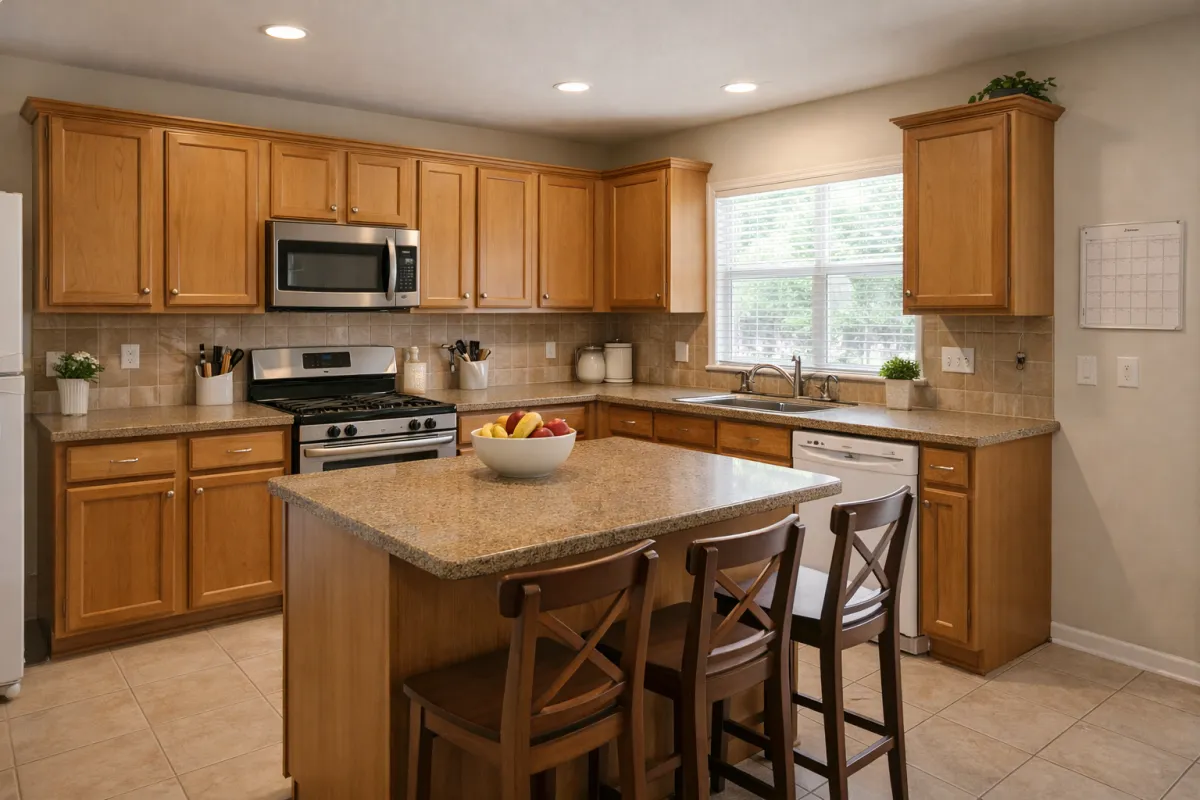
Flash is a tool, not a blunt instrument. In kitchens with glossy slab counters, hard bounce off a ceiling creates hotspots. We feather off camera flash into a wall, lower power to kiss the shadows, and let ambient do the heavy lift. Window pulls, done right, dodge and burn to bring the view to a believable level rather than stamping in a picture postcard. Design intent wins over spectacle every time.
Mixed color temperatures are solved in camera first. Turn off a blue rich fluorescents in closets that contaminate a scene. Warm up a dining room pendant if it looks lifeless at 2700 K. Capture a clean white balance card in each major space so post production has a target. The result is quiet, not flashy, color. White walls stay white, wood looks like wood, and skin tones, should they appear in lifestyle frames, do not veer orange.
Verticals must be true. Even a slight tilt bleeds quality. We use a geared head or a tilt shift lens for exteriors with clear vertical references. For interiors, we correct perspective in capture when possible and in post only as a refinement. Crooked cabinets or leaning door frames signal sloppiness, and no amount of saturation can hide it.
Exteriors in a Gulf climate
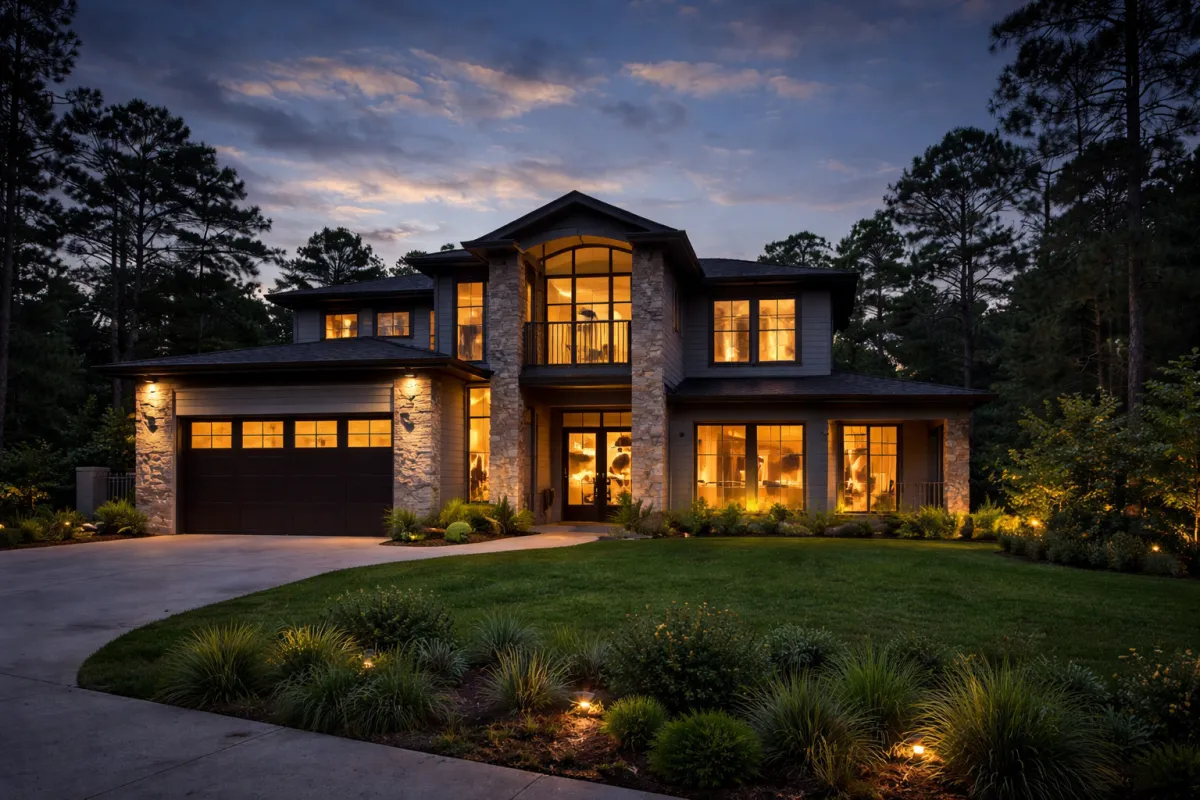
Exterior work in Houston rewards patience. Facades with deep porches often sit in their own shade. Photographing at mid morning or late afternoon pulls soft, directional light into those alcoves without blowing out the sky. On stucco Mediterranean builds, we bring down highlights so texture remains in the finish, because flat stucco reads cheap.
Rain happens. We keep a microfiber pack with chamois to dry flat stone so it does not blotch. If a day is wet but workable, we favor tight framing for detail shots that benefit from the sheen: ironwork glistening, deep green in landscaping, the sheen on a stained wood door. We only replace skies when weather genuinely misrepresents the home. A bland gray ceiling of clouds is fair game for a neutral, believable sky. A lightning storm is part of the weather narrative and we do not fake a sunset over it.
Drone work adds context in a city with meandering bayous, cul de sacs, and freeway access as selling points. For luminis.media real estate photography that includes aerials, we operate with respect for airspace and neighbors. Before any flight, we check sectional charts, local rules, and conditions. We keep altitude reasonable to maintain detail and minimize distortion, and we avoid flights when wind gusts can turn a stable gimbal into a wobble. The safest flight is one that still qualifies as great photography after we choose a lower, more controlled vantage point.
Houston’s architectural mix and how we honor it
A Museum District contemporary is not a West U cottage, and it should not be photographed like one. Furnishings, lines, and materials ask for different rhythms.
For crisp contemporary builds, we aim for quiet frames that celebrate geometry. A long hallway with clerestory windows needs lean composition and tight color control. Shadows become compositional elements, and reflections are tamed without erasing the glassiness that the architect intended. If polished concrete floors run through the main level, we modulate reflections rather than nuking them with polarizers, because those reflections give the space its life.
For bungalows and cottages, charm leads. Close the aperture a touch to reveal millwork. Lean into shallow, slightly warmer tones to render the lived in feel of oak floors and vintage tile. Shoot lower to flatter beadboard ceilings and period lighting. A single image of a sunroom nook with a book and a cup of coffee staged on the table can do more emotional work than seven wide shots.
Townhomes in Montrose introduce vertical living. Stair shots are not throwaways. We light landings to show transitions, not just the treads. Rooftop terraces, if present, deserve timing that captures skyline glow rather than harsh midday sun, especially in summer when the heat off the roof can shimmer through the frame.
The first five images matter most
Buyers scroll quickly. The opening sequence decides whether they click into the rest of the gallery. With Luminis Media listing photography, we design that sequence with a narrative arc.
Hero exteriors come first, often paired with a complementary angle that confirms the lot and approach. Then the kitchen and living core, which in most Houston plans act as the home’s heart. If there is a feature that defines the property, a pool, a live oak canopy, a chef level range, it deserves a slot in the first five. After that, we deliver rhythm: wide context, then details that reward curiosity.
MLS platforms vary, but most compress images and strip metadata. We export in sizes that balance resolution with quick load times, and we keep clean versions for print and for broker sites that can display larger assets. Real estate photos luminis.media are delivered in both landscape and portrait ratios when social campaigns call for it.
Moving beyond stills: motion that sells, not just moves
Video belongs when the home’s experience cannot be contained in a handful of frames. Luminis Media real estate videography builds sequences that explain flow and put the viewer in the path of the house. We stabilize on a gimbal for walking reveals, then anchor on sticks for breathing room. Speed ramps and whip pans have their place, but we use them with restraint in Houston’s luxury market, where confidence reads as calm.
Audio is often ignored. It should not be. A subtle ambient track that suggests neighborhood vibe, a dog barking distantly in a yard, rain on a patio cover in a storm test, these can heighten the sense of place. When agents want voiceover, we script short, specific lines. No generic talk about lifestyle. If a pantry hides a secondary fridge with a filtered water line, say it. If the garage has a 240 V outlet pre wired for an EV, show it on screen.
Aerial video, like stills, lives at lower altitudes unless a true map view sells proximity to a park or bayou trail. And because we respect buyers’ privacy, we avoid peeking into neighbors’ yards or upper windows. Real estate videography luminis.media is there to sell a property, not chase views with flashy maneuvers.
Preparing a home: a quick checklist that actually helps
- Clear kitchen and bathroom counters, leaving one or two intentional items that match the home’s style.
- Replace all bulbs so temperatures match, and bring spares for key fixtures.
- Hide trash cans, pet bowls, and floor mats, and secure pets for the duration.
- Tidy cords behind TVs and lamps, and remove small rugs that break up floor flow.
- Open blinds and clean windows, but leave heavy drapes closed if they photograph better.
Small changes compound on camera. Ten minutes spent on that list can add perceived square footage without touching a tape measure.
Day of shoot: quiet efficiency
When we arrive, we walk the home with the agent or seller. If a baby is napping in the secondary bedroom, we adjust sequence and start downstairs. If contractors are finishing punch list items, we work around them and keep tools out of frame. We build a shot plan, then allow room for serendipity. A beam of light through a transom at 9:20 a.m. Can create the day’s best detail frame.
We do on site reviews on a tablet so agents can confirm that key spaces are covered. Not every angle should be negotiated, but alignment on must have images prevents misunderstandings. Then we move through the home with light touches, keeping footprint small. Shoe covers stay in the bag unless floors demand them, but we carry them anyway.
The post production pipeline
Back at the desk, images get two passes. First, a cull that favors clarity over quantity. A 3,500 square foot home might yield 25 to 35 finals for MLS, with additional frames for marketing and social. Then the craft work begins.
We correct white balance with reference shots, fix verticals, and even out exposure subtly. We do not fear brightness. Homes are meant to feel luminous. But we avoid blown whites on countertops and tile. Sky replacements, when used, stay within the realm of possible. Grass touch ups correct camera color shifts but do not invent a golf course. We remove temporary eyesores, a hose or a wheelbarrow left out of sight during the walk, but we leave permanent features visible. That includes power lines and public signage.
Turnaround matters. Real estate photos Luminis Media are typically delivered within one business day for stills, and real estate videography Luminis Media within two to four business days depending on length. For rush jobs, we can compress timelines with a planned scope. Files arrive in a clean, branded gallery with MLS sized downloads and high resolution versions. Unbranded video links satisfy MLS rules, and branded cuts are available for social and ads.
Licensing, usage, and the realities of real estate marketing
Photography is licensed, not sold outright, because value depends on context. For agents listing a single property, the license covers MLS, syndication sites, the brokerage site, and social promotion tied to that listing. Builders and designers often need broader usage for portfolios and ads. We set those terms clearly at booking so nobody is guessing after launch.
Houston’s MLS norms prohibit agent faces and overt branding in listing photos and unbranded video tours. We produce compliant sets and separate any brand forward assets. If a third party like a stager or cabinet maker wants to reuse images, we route that request through the commissioning client or license directly. That fairness keeps relationships healthy.
What great images do to a listing
You can measure performance in impressions and click through rates, but the more visceral effect shows up during showings. Buyers arrive expecting a certain feeling. If the photography is honest, they say, it looks just like the pictures, and you can see their shoulders drop. Time on site stretches. Offers feel less tentative. I have watched it in Bellaire, in Midtown, and out in the suburbs when a backyard puts on a sunset. That trust starts with choosing the right angles and resisting the urge to over promise.
On the other side, bad images cost money. Overcompressed files with halos around windows, crooked cabinets, and day to night sky swaps that make a porch light glow at noon signal corner cutting. Those signals bleed into perceived value. Luminis Media real estate photos are built to support price, not undermine it.
Edge cases and how we handle them
Occupied homes come with life. Family photos on a gallery wall, prescription bottles on a vanity, a whiteboard calendar with kids’ names, all of it needs to be handled with care. We suggest removing personally identifying details, and we edit out what slips through when feasible. We ask about privacy concerns early, because a seller with a high profile job in the energy sector might need stricter protocols.
Reflective materials multiply problems. Mirrored backsplashes will show you, the camera, the flash, and three doorways. We angle slightly, flag lights, and sometimes accept a clean reflection as a design feature rather than fighting it to death. Floor to ceiling windows create exposure challenges at noon. We schedule around that or stack exposures that look natural. In powder rooms where you physically cannot stand far enough back, we choose a single honest frame and move on.
Two quick ways to vet a real estate photographer
- Look for verticals and color discipline across the portfolio, not just one hero home.
- Ask how they handle mixed light and reflections in kitchens and baths.
- Request final delivery sizes and formats to confirm MLS readiness and social variations.
- Verify turnaround commitments, and what rush options exist when weather delays happen.
- Clarify licensing in writing, including third party usage for builders, stagers, and designers.
You learn a lot from those five answers. Confidence shows in specifics, not gloss.
Small stories that stayed with us
I remember a Downtown high rise with a wrap balcony where the skyline kept reflecting in the unit’s interior glass. The first take felt like a hall of mirrors. We killed a row of cans, flagged the nearest pendant, shot just after sunset so exterior exposure fell into a sweet spot, and the room finally separated from the skyline. The agent texted later that a couple walked in and said, this feels the way it looked online. real estate photography That was the point.
Another day in West University, a narrow lot and a mature elm boxed us in. The obvious front shot made the house look pinched. We crossed the street, shot from a neighbor’s permissioned driveway with a longer focal length, and compressed the space so the facade read correctly. Sometimes the solution is as simple as moving your feet and asking nicely.
And there was a Meyerland rebuild with mid century bones. The owner had kept the original terrazzo, cleaned to a soft sheen. We prioritized angles that celebrated that floor, not just the modern kitchen. The buyer later told us the floor sold the house. Leaving room for that kind of story is why we ask those three questions before we start.
Where luminis.media fits into a team
Good agents, stagers, and photographers work as a single unit. We trade notes on buyer feedback, adjust sequences for relists, and revisit twilight when weather stole the first round. Property photography Luminis Media becomes a flywheel for the agent’s brand. Consistent quality helps potential sellers seek you out, not just the house you listed last week. It also takes pressure off open houses and broker tours because the online story already filtered unfit buyers.
When we add motion, that coordination deepens. Real estate videography luminis.media often includes brief agent cameos or voiceovers. The best ones come from a short, structured prep call with a script that respects time and attention. We coach delivery, handle audio cleanly, and keep the cut tight so it plays well on mobile. Neighborhood b roll pulls in street trees, playgrounds, and coffee shops without turning into a tourism reel.
A closing note on restraint
Restraint sounds odd in a field that competes for clicks. It is our north star. We avoid excess HDR, trend chasing color grades, and gimmicks that date a listing before it closes. Instead, we make choices that future proof your marketing. Five years from now, when this home sells again, the images should still feel like clear, human seeing.
That is the work we do at Luminis Media real estate photography. Whether you know us as real estate photography Luminis Media, luminis.media real estate photographer, or simply the team that shows up on time and makes your listings look honest and extraordinary, the goal never changes. We walk into a house, listen carefully, and build images that sell the feeling of living there. In Houston, with its light, its weather, and its glorious mix of homes, that is a challenge worth doing right.