Blueprint to Beauty: Luminis Media Listing Photography Journey
Every successful real estate shoot begins before a camera ever leaves its case. The houses that look effortless in galleries were never casual. At Luminis Media, we start with a blueprint, then trace a path from planning to post that keeps sellers, agents, and buyers moving in the same direction. This is the journey our team follows when we create listing photography that holds attention, communicates value, and shortens the distance between the first click and a showing request.
What a buyer actually reads in a photo
A strong listing image answers two quiet questions in a buyer’s mind. First, can I picture my life here. Second, is this property worth the next step. If the photos do not resolve those questions, the buyer keeps scrolling. That is the simple metric behind Luminis Media real estate photography. We design images to build context, then deliver a clean, consistent visual path through a home. Buyers should not be guessing where the kitchen relates to the dining room, or how light moves through the living area. They should feel oriented within seconds.
When an agent hires a Luminis Media real estate photographer, they are buying more than crisp frames. They are buying a viewpoint. We balance architecture with lived experience. We choose angles that show volume and flow, not just surface finishes. We let the viewer feel how the morning light lands on the breakfast nook or how the yard connects to the family room for weekend gatherings. Real estate photos, when made with intention, become a short form of storytelling. The listing improves not because the pictures are pretty, but because the photos remove doubt.
The call, the walk, the plan
Good photography starts with listening. Our pre production call captures the stakes of the listing. Is the home competing with new construction nearby. Are we chasing relocation buyers who will browse on mobile. Will twilight hero shots matter more than daytime details. We collect the answers, match them with the property’s strengths and weaknesses, and sketch a sequence for the shoot.
We almost always conduct a short walk through, whether virtual or in person. Sight lines, ceiling heights, window orientations, and floor transitions inform lens selection and lighting strategy. A deep living room with north facing windows, for example, asks for a different approach than a compact condo with glass on two sides. These early choices set the tone for the entire session and help us decide where we will invest the most time. With luxury properties, we also flag features that need layered coverage, such as custom millwork, imported stone, or landscape lighting that sells the twilight hour.
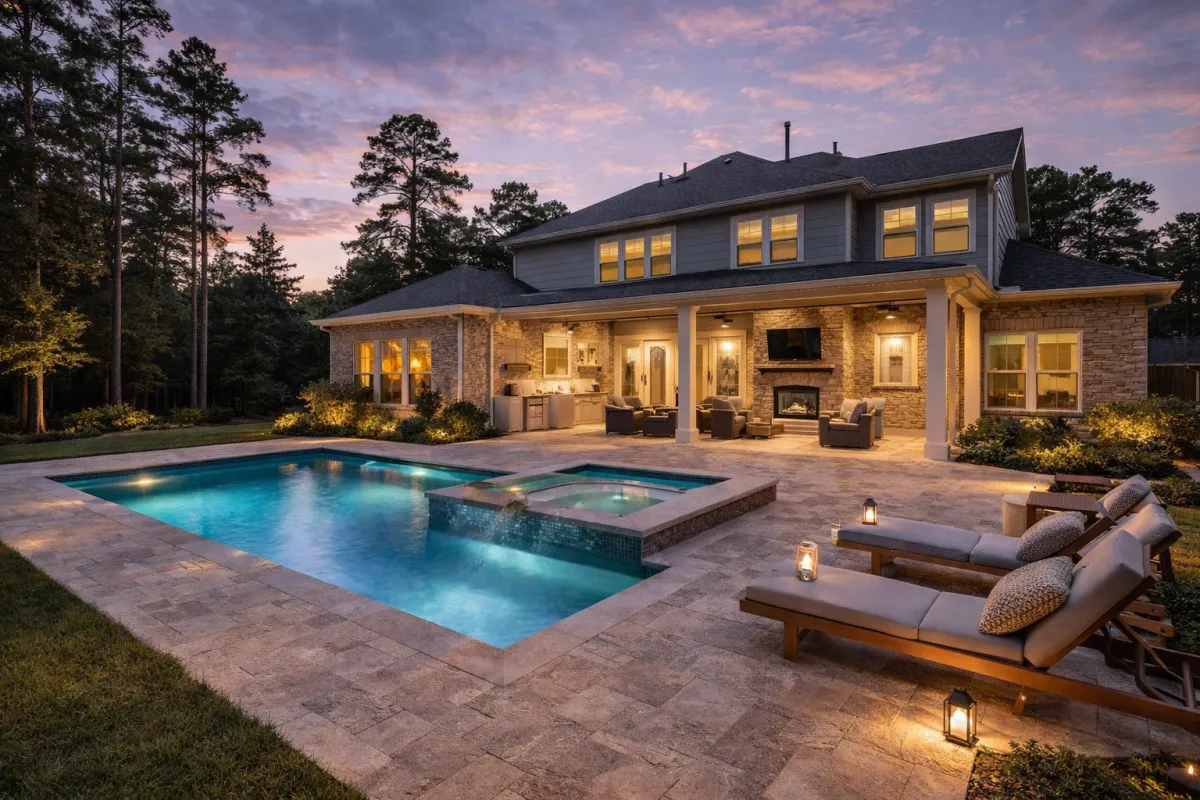
Agents often share past listing analytics when available. We look for patterns. If prior properties from the same builder lost attention after the first five images, we rethink the order of our deliverables. Luminis Media real estate photos are sequenced like a guided walk, starting with exterior context, then major communal zones, then primary suite, and finally supporting spaces. Small pivots in the order can lift engagement, especially on mobile platforms where the first three frames do most of the heavy lifting.
Staging without a truckload of props
We are not home stagers, though we collaborate with many. On most MLS assignments, our job is Luminis Media real estate photography to refine, not reinvent. We remove small distractions, adjust furniture spacing, dial in lamp warmth, and balance the scene so the eye lands where it should. In vacant homes, we evaluate where minimal styling can soften scale without misrepresenting the space. A simple throw and two pillows can define a seating area. A single orchid can lift a spa bath. With luxury listings, restraint still wins. Buyers want to see architecture and finish quality. Over-styling can feel like a cover up.
We are transparent about what we will not do. We do not add furniture that does not exist unless the deliverable specifically includes virtual staging. We do not conceal material defects. We do not replace views with fantasy skylines. Ethical guardrails keep trust intact, and that trust ultimately helps offers survive inspection and appraisal.
The gear choices that matter
Lenses and sensors are tools, not magic. A full frame body helps with dynamic range and noise in dim rooms, but sensor specs will not save a careless composition. Our standard kit includes rectilinear wide lenses in the 14 to 24 millimeter range to capture volume without exaggeration. We keep a normal lens ready for vignettes that show texture and detail, like the grain of white oak or the veining of quartzite. Tilt shift lenses have their place, especially on exteriors and long sight lines, where we Luminis Media property photos want perspective control in camera and reduced reliance on software correction.
Lighting is a conversation between ambient and flash. We rarely blast a room with a single on camera unit. Instead, we start with natural light, identify the strongest window, and build from there. When we deploy flash, we feather it, bounce it, and flag it so the result feels like sunlight, not a pop. A flambient approach, blending a long ambient exposure with controlled flash frames, remains a solid middle ground for many interiors. HDR brackets can be useful when time is tight, but we use them carefully to avoid halos, crunchy textures, and odd color shifts. On premium assignments, we lean into blended layers with manual masking. It takes longer, yet the reward in tonality and texture is obvious.
For aerial coverage, we fly drones only where legal and safe. We check airspace, secure waivers when needed, and keep spotters for complex lifts. Drones are great for context, property boundaries, and roof condition hints, but they are not a substitute for ground based composition. Three to five aerials is usually enough unless acreage or waterfront lines carry the story. Luminis Media real estate videography often benefits from aerial establishing shots paired with slow interior gimbal work, creating a rhythm that feels cinematic without being indulgent.
A shoot day that runs like a well lit set
On site, predictability builds trust. We greet the seller or property manager, confirm access details, and set a staging zone for gear. Then we run a simple sequence that keeps the house tidy and the timeline honest.
- Front exterior and approach, then back yard and outdoor living, while interiors are cleared and lights checked
- Main living spaces from the entry, then kitchen, dining, and family room in a logical run
- Primary suite, then secondary bedrooms and baths with attention to wardrobe and linen closets
- Flex spaces such as offices, gyms, or media rooms, followed by laundry and garage if included
- Twilight set for exteriors, then any final interiors that benefit from evening mood
That flow has room for detours, but it prevents the back and forth that burns time. It also protects interiors while we wait for optimum exterior light. In winter, we often reverse a few beats to chase the sun before it drops.
The small things matter. We carry microfiber cloths to polish stainless and glass. We angle blinds to control glare and reveal just enough view. We straighten picture frames and ease chairs to create breathing room. We kill ceiling fans, then make sure every fixture glows at the same color temperature, either by switching bulbs or adjusting our white balance and gel kit. On a fast paced MLS slot, these moves are the difference between passable and persuasive.
Mixed light is not the enemy
Homes are built of light collisions. North shade meets warm tungsten. Tree filtered green fights with cool LED tape under the cabinets. You cannot eliminate every conflict, and trying can flatten a scene. Our rule is to protect skin tones, even when there are no people in the frame. If a buyer toured this space, their face would land in that light. So we bias our color toward believable warmth, clean window whites, and wood that reads like wood, not orange syrup.
We meter with the window in mind. If highlights clip outside, we recover through layers, not by dragging a global highlight slider to oblivion. On high end listings, we sometimes build a window pull flash frame that respects the view while keeping the interior luminous. The art is in the blend. A great Luminis Media property photography set feels calm, not clinically corrected.
Composition that sells the walk
Buyers want to know what it feels like to stand in a room and look around. We anchor our compositions at human height with verticals corrected. We avoid corner shoves that distort proportions just to gain square footage in the frame. Two point perspective keeps walls honest and provides a sense of equilibrium. When we do use a three quarter view to show depth, we balance the weight of objects so the image does not tip.
Every property has a hero angle. Sometimes it is the kitchen island backlit by a bank of windows. Sometimes it is the turn from the entry where the staircase, the dining room, and the living area breathe in one frame. We find those spots during the walk through and protect time to perfect them. This is where a Luminis Media listing photography session earns its fee, because a single lead image can lift click through rates across the entire listing.
Luxury is detail and discipline
Luxury real estate photography at Luminis Media is not about more gear, it is about more intention. A spa bath may require three lighting passes to render stone accurately. A lacquered cabinet demands tighter flags to kill specular chaos. A wine room needs controlled reflections so labels stay legible. We also devote frames to craftsmanship, like dovetail joints, integrated hardware, or custom plaster. These images rarely lead the MLS carousel, but they become vital assets for brochures, builder portfolios, and press pitches.
With high end homes, scale can mislead. A two story great room can swallow a lens. We solve with layered compositions, adding foreground elements that communicate size without distortion. We measure verticals against architectural lines, not furniture, and we check for micro tilts that the eye reads as sloppy even if it cannot name why. When the property asks, we add Luminis Media real estate videography to bring water features, fireplaces, and lighting scenes to life. Video also handles amenity stories well, from sauna sequences to hidden pantries, because motion shows how spaces function, not just how they look.
Editing with a light but precise hand
Post production is where restraint pays off. We cull tightly. If a frame does not add information or deepen interest, it goes. Our color pipeline favors neutral profiles and manual white balance adjustments scene by scene. We correct lens distortion, fix chromatic aberration, and align verticals. We blend exposures for windows and dark corners, then polish with local dodging and burning to guide the eye. If the yard was mowed that morning, we respect the striations. If the light is soft, we let it be soft.
Sky replacements sit inside a clear policy. We do them when the sky distracts, not when it is simply unremarkable. If the sky reflects in glass or water, the replacement must match direction and softness. If it does not, we skip it. Object removal is limited to small, movable distractions like cords or countertop clutter, unless we have written approval to go further. We do not erase utility poles or power lines unless they are passing through a frame where they add zero context and their removal does not mislead.
File delivery is tuned to the listing’s needs. MLS platforms compress aggressively, and each system has pixel and file size limits. We export one set optimized for MLS and a second at higher resolution for flyers, print, and social. Filenames follow a property code, room, and sequence convention so agents and coordinators can pull images quickly without guessing.
The handoff that keeps deals moving
Turnaround time is strategy. For standard packages, next day delivery keeps momentum while the listing copy finalizes. For broker opens or press previews, we stage partial drops so marketing teams can tease the property without waiting for the twilight set. Luminis Media real estate photos go out with basic usage rights aligned to the listing period and the agent of record. Builders and designers can negotiate extended rights if needed. Clear agreements prevent awkward calls six months later when a photo reappears in a different context.
We provide light reporting when useful. Not vanity metrics, just practical notes. For example, when a series over indexing on mobile crops better at a 4 by 5 aspect ratio, we say it. When a kitchen island reads too long on vertical formats, we offer an alternate crop that saves the waterfall edge. That kind of counsel is part of the value when working with a real estate photographer from Luminis Media.
Integrating video without losing the plot
Real estate videography at Luminis Media is anchored in the same philosophy as our stills. Video should orient, then invite. We avoid dizzying gimbal runs and whip pans that feel like a spec reel. We set pace with music that matches the property’s vibe. A mid century ranch asks for a different tempo than a mountain lodge. We use natural sound sparingly - a fire crackle, a soft door close, the spill of a waterfall - to add texture without noise. Aerials open and close a story, but do not dominate it.
We tailor deliverables to the platforms that will carry them. A 60 to 90 second horizontal cut for websites and YouTube. A 30 second vertical for Instagram and Reels. A looping five second hero for paid placements. We color grade to align with the stills so the brand voice stays consistent. If we capture agent on camera segments, we coach for clean, confident delivery and record in spaces that flatter voice tone. Buyers do not need sermons, they need clarity and a sense of trust.
One size does not fit every property
A downtown studio has different constraints than a countryside retreat. Urban units often need careful timing to manage elevator access, parking, and building rules on tripods and lighting. We plan for reflections in floor to ceiling glass and often shoot at slightly earlier or later hours to tame contrast from adjacent facades. For rural properties, we track sun paths, coordinate with landscapers, and scout drone takeoff points away from trees and power lines. Lakefront listings benefit from wind checks so water texture reads inviting, not choppy.
Season matters. A spring exterior with early leaves can handle midday light better than a bare winter yard. If we must shoot in snow, we adjust exposure to maintain texture, then balance interior warmth so the home feels like a refuge. In hot climates, twilights work later than you expect, and the blue hour can be fleeting. We build buffers so we are on the tripod and ready when the house lights and sky balance perfectly for that final exterior.
A compact prep list for agents and sellers
Small actions before we arrive make a major difference in how fast we can work and how polished the images look. Share this with your sellers ahead of our session.
- Clear kitchen and bath counters, leave one or two curated items per surface
- Replace any burned bulbs and match color temperature room by room
- Hide trash cans, pet bowls, and visible cords where possible
- Open blinds or shades, then we will fine tune for glare and view
- Park cars away from the driveway and front curb to keep exteriors clean
When sellers follow that list, we spend more time crafting hero shots and less time untangling vacuum cords.
The quiet economics of strong visuals
We avoid hard promises about days on market or price lifts, because markets move and buyers shift priorities. Still, patterns exist. Listings that pair thoughtful sequencing with true to life images tend to earn more saves and shares. Agent teams we support report faster appointment requests within the first 48 hours, and they often use the gallery across multiple channels without rework. That is the compounding value of cohesive visuals. Quality stacks.
For builders and designers, the ROI stretches beyond a single sale. A set of luminis.media real estate photos can anchor a portfolio page, feed social for weeks, and support an award submission months later. When we add luminis.media real estate videography, the lifetime value of the asset increases again. You are not paying for a day of work, you are buying months of relevance.
Where craft meets constraint
Deadlines are real. Budgets are finite. Weather does not ask for permission. Mastery is not about perfect conditions, it is about consistent outcomes under pressure. We have shot through power outages, rearranged a day around a surprise roofer visit, and pivoted a plan when a backyard crew fired up mowers mid take. Resilience shows up in the final gallery as a lack of drama. The images feel calm because the team stayed calm.
That is the heartbeat of listing photography Luminis Media delivers. We sweat the choreography so buyers can glide. We push for authenticity, because false perfection collapses under the weight of a private showing. We keep the visuals honest, because trust is the only currency that matters at offer time.
From first email to final gallery
Agents often ask what the full engagement looks like when they hire a real estate photographer from luminis.media. It is straightforward and intentionally transparent.
- Discovery call and scope confirmation with a proposed shot list tied to property goals
- Scheduling with weather holds when exteriors carry the story
- On site session following a planned sequence, with light staging and coordination as needed
- Post production with selective blending, color work, and export sets for MLS, print, and social
- Delivery via an organized gallery with clear usage terms and optional add ons like floor plans or reels
We rotate edit seats so deadlines are met without compromising quality. If a hero image needs a refined blend, it gets it, even if that means an extra hour at the desk. The standard we hold is consistent, whether the listing is a starter condo or a hillside estate.
The signature Luminis Media look
People often comment that our photos feel grounded. That is intentional. Luminis Media real estate photography aims for clarity first, then mood. We favor natural color with just enough polish to feel editorial. Whites should be white. Wood should show grain, not glare. Skin tone areas like breakfast bars and sofas stay believable. Straight lines stay straight. Reflections are either controlled or embraced, depending on the story. This approach travels across property types and price points without feeling formulaic.
In practice, that means we decline some trends. We do not bleach everything to clinical white. We do not add fake flares for drama. We do not sell square footage through distortion. The photos still need to look like the property when a buyer arrives at the door. When our clients ask for a specific style, we adapt while defending the essentials that keep trust intact.
When video, photos, and copy pull together
A strong listing is a team sport. We often coordinate with copywriters and social managers so the narrative and visuals reinforce each other. If the house sits on a trail network, we shoot the gate, then flag a line or two for the listing text. If the chef’s kitchen is the star, we capture a short motion piece of a pan sliding on an induction top, then cue the copy to mention the brand and model. The sum feels bigger when each part acknowledges the other.
This is where real estate photography from Luminis Media extends into marketing strategy. The images are not stand alone. They are assets designed to be deployed. We think about aspect ratios for ad placements, negative space for text overlays, and micro crops for thumbnails. These moves save time for the marketing team and make the campaign look cohesive from the first post to the closing announcement.
Why the journey matters
The blueprint to beauty is not a slogan for us, it is a process we have refined across hundreds of homes. It begins with a plan, moves through careful capture, and ends with deliverables that do more than decorate a listing. When you hire a Luminis Media real estate photographer, you get a partner who manages the details that buyers notice but cannot name. When you commission Luminis Media property photography or videography, you invest in clarity, which is often the deciding factor between a saved listing and a forgotten one.
If you carry one idea from this, make it this. The most persuasive visual story of a property is the one that feels true, thoughtfully sequenced, and generously lit. That is the journey we take on every assignment, from blueprint to beauty, so your listing can do its best work the moment it goes live.